Skip to content

Sustainability

Environmental sustainability consists of energy usage, water usage and chemical storage and handling

Sustainability

Quantitative Commitments and Targets

Environment

Baseline Year: 2023 | Target Year: 2030

Shovon Knitwear Ltd. is committed to conducting its business in an environmentally responsible manner by preventing pollution, conserving natural resources, reducing greenhouse gas emissions, minimizing waste, protecting water resources, promoting circularity, managing chemicals responsibly, and continuously improving environmental performance.

Senior management recognizes that responsible environmental management is an integral part of sustainable business operations. The company is committed to identifying and managing the significant environmental aspects and impacts associated with its activities, products, services, facilities and relevant supply-chain activities.

Shovon Knitwear Ltd. will comply with applicable environmental laws, regulations, permits, customer requirements and other relevant environmental obligations and will maintain appropriate systems to monitor environmental compliance.

Our environmental management approach is based on:

Policy → Risk Assessment → Objectives & Targets → Action → Measurement → Monitoring → Corrective Action → Management Review → Continuous Improvement.

  • Energy and Climate Change

    Reduce energy intensity by 42% by 2030 against the 2023 baseline.

  • GHG Emissions

    Reduce Scope 1 and 2 emissions by 46% and assess all relevant Scope 3 categories by 2030.

  • Biodiversity

    Screen 100% of new developments and assess existing facilities with material biodiversity risks.

  • Waste and Circularity

    Reduce waste intensity by 25% and achieve 100% landfill diversion by 2030.

  • Water Management

    Reduce water intensity by 30% and absolute consumption by 25%, where comparable.

  • Product Sustainability

    Ensure applicable sustainability labeling is applicable and train 100% of relevant staff on eco-design by 2030.

  • End-of-Life Responsibility

    Assess 100% of applicable textile waste for recovery and increase reuse, recycling, or recovery by 20%.

  • Environmental and Climate Risk

    Assess all operational facilities annually for environmental risks and relevant physical climate hazards.

  • Air Quality

    Reduce VOC and particulate emissions by 30% and inventory all significant emission sources by 2027.

  • Materials and Chemicals

    Replace 85% of identified higher-risk chemicals and source at least 60% of applicable raw materials from certified, recycled, or responsible sources by 2027.

Labor & Human Rights

Baseline Year: 2023 | Target Year: 2030

At Shovon Knitwear Ltd., we are committed to respecting and protecting the fundamental rights, freedoms, dignity, and well-being of every individual working within or associated with our operations and supply chain.

Our labor and human rights practices are guided by applicable national laws and internationally recognized frameworks, including relevant International Labour Organization (ILO) Conventions, the United Nations Guiding Principles on Business and Human Rights (UNGPs), and the Universal Declaration of Human Rights (UDHR).

This Labor and Human Rights Policy formalize our commitment to maintaining a safe, fair, inclusive, and respectful workplace; preventing human-rights abuses; promoting decent working conditions; and ensuring that workers can raise concerns without fear of retaliation.

We are committed to continuously improving our labor and human rights performance through appropriate policies, risk assessment, worker engagement, training, monitoring, corrective actions, and management review.

  • Employee Health and Safety

    Reduce work-related injuries by 15% and ensure 100% annual OHS training completion.

  • Inclusive Workplace

    Train 100% of employees annually on non-discrimination, harassment prevention, and respectful workplace practices.

  • Fair Working Conditions

    Maintain 100% compliance with applicable wage, working hours, overtime, leave, and welfare requirements.

  • Child and Forced Labor Prevention

    Maintain zero confirmed cases and annually assess 100% of identified high-risk suppliers and contractors.

  • Social Dialogue

    Ensure accessible grievance mechanisms for all employees and conduct at least two worker consultation meetings annually.

  • Stakeholder Human Rights

    Assess relevant human rights risks in 100% of new developments and major expansions and provide accessible external stakeholder grievance channels.

  • Career Development

    Increase average annual training hours per employee by 20% against the 2023 baseline and provide annual skills-development opportunities to all employees.

  • Anti-Discrimination and Harassment

    Train 100% of employees and all managers annually on prevention, reporting, and non-retaliation.

  • Human Trafficking and Modern Slavery

    Conduct due diligence on 100% of recruitment agencies and labor contractors and include relevant safeguards in all applicable agreements by 2030.

Ethics

Baseline Year: 2024 | Target Year: 2030

Shovon Knitwear Ltd. is committed to upholding the highest standards of ethical business conduct and fostering a culture of integrity, transparency, and accountability across all aspects of its operations. We expect all employees, contractors, suppliers, business partners, and other stakeholders to conduct themselves honestly, responsibly, and in compliance with applicable laws, regulations, and company policies.

Our organization is founded on the principles of fairness, mutual respect, professionalism, and ethical decision-making. We are committed to preventing bribery, corruption, fraud, conflicts of interest, money laundering, anti-competitive behavior, and other forms of misconduct that may compromise our values or reputation.

Through continuous education, stakeholder engagement, effective governance, and proactive risk management, we strive to integrate ethical principles into our daily operations, business relationships, and long-term strategic objectives. We encourage open communication and the reporting of concerns in good faith, while ensuring protection against retaliation.

By maintaining a strong ethics management system, Shovon Knitwear Ltd. aims to build trust with employees, customers, suppliers, investors, and local communities while supporting sustainable and responsible business growth.

  • Anti-Bribery and Corruption

    Assess corruption risks across 100% of operational sites and relevant business activities, and train 100% of employees in high-risk functions by 2030.

  • Conflict of Interest

    Train 100% of employees on ethical decision-making and obtain annual conflict-of-interest declarations from 100% of managers and directors by 2030.

  • Fraud Prevention

    Assess fraud risks across 100% of operational sites and high-risk functions, and train 100% of relevant employees by 2030.

  • Financial Integrity

    Assess 100% of relevant activities for AML risks and complete risk-based due diligence for all identified high-risk third parties by 2030.

  • Data Privacy and Cybersecurity

    Assess 100% of critical systems for information-security risks and provide cybersecurity awareness training to 100% of employees by 2030.

  • Fair Competition

    Train 100% of relevant employees on competition law and assess 100% of relevant business activities for competition risks by 2030.

  • Whistleblower Protection

    Provide accessible reporting channels to 100% of employees and relevant stakeholders and train 100% of employees on whistleblowing and non-retaliation by 2030.

  • Third-Party Integrity

    Complete risk-based due diligence for 100% of identified high-risk third parties before engagement or contract renewal by 2030.

  • Governance and Accountability

    Assign ethics and compliance responsibilities to 100% of relevant management functions and establish measurable KPIs for all key ethics and compliance topics by 2030.

Sustainable Procurement

Baseline Year: 2024 | Target Year: 2030

Shovon Knitwear Ltd. recognizes sustainable procurement as a strategic priority and an integral part of our commitment to environmental stewardship, ethical business practices, responsible sourcing, and continuous improvement. We recognize that our procurement decisions influence not only product quality and cost, but also the broader environmental, social, and ethical impacts of our operations and supply chain.

We integrate sustainable and green procurement practices by sourcing recycled, certified, traceable, and environmentally preferable materials, using responsibly managed chemicals, and promoting energy-efficient equipment and technologies. These actions help reduce waste, conserve natural resources, minimize environmental and social risks, and improve supply-chain performance. We prioritize suppliers that align with our sustainability objectives and comply with relevant recognized standards and certifications, including GRS, RCS, OCS, OEKO-TEX®, GOTS, FSC, PEFC, and SEDEX, as applicable.

Our sustainable procurement approach extends across all relevant areas of our operations, including raw materials, chemicals, packaging, machinery and equipment, services, office supplies, and supplier relationships. We integrate environmental, social, human-rights, ethical, and responsible-business considerations into supplier selection, assessment, contracting, monitoring, and continuous improvement.

  • Supplier Social Practices

    Assess suppliers annually for labor and human rights compliance and increase suppliers with workforce development or community welfare programs from 30% in 2024 to 70% by 2030.

  • Supplier Environmental Practices

    Reduce supplier-related waste by 20% against the 2024 baseline and ensure 75% of strategic suppliers have recognized environmental certifications or equivalent practices by 2030.

  • Sustainable Raw Materials

    Source 90% of raw materials from certified and traceable sources and increase recycled or reclaimed material content from 15% to 70% by 2030.

  • Supplier Governance

    Apply documented sustainability, ethical conduct, and responsible sourcing requirements to relevant suppliers by 2030.

  • Supplier Due Diligence

    Annually assess 100% of strategic suppliers and conduct enhanced due diligence for 100% of high-risk suppliers by 2030.

  • Sustainable Procurement Responsibilities

    Train 100% of relevant procurement personnel annually and integrate sustainable procurement KPIs into the performance evaluations of all applicable personnel by 2030.

Sustainability

Water Management

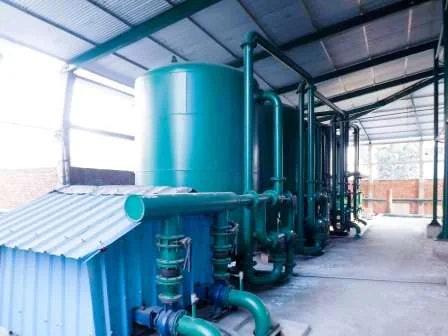
  • Water Softening Plant

    water treated to minimize the hardness before consuming for dyeing process to reduce chemical consumption.

  • Effluent Treatment Plant

    Water released from the dyeing house goes to the Effluent Treatment Plant. Highly advanced “Elector Contaminant Removal” plant removes all hazardous ingredients from the waste water. Advanced aeration system maintains Dissolved Oxygen level in water to its target parameters before discharged to sewerage.

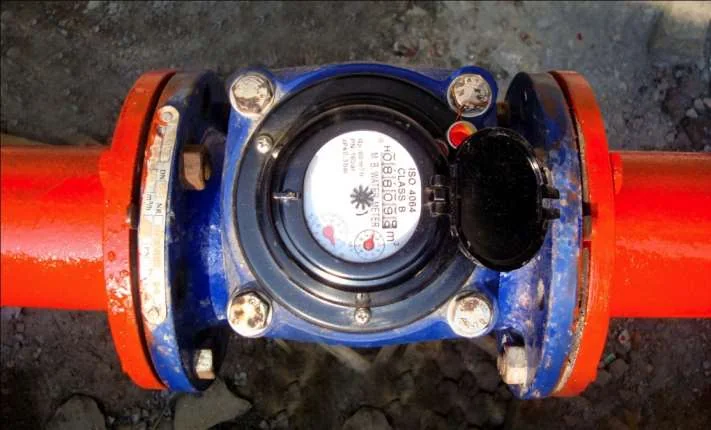
  • Monitoring water consumption

    To minimize water consumption several flow meters are installed & the record kept periodically.